My Health Philosophy
Toxin Guide
Heuristics
Resources
Products I like
FYI: These are not affiliate links. I don't make any money from recommending these products.
FYI: These are not affiliate links. I don't make any money from recommending these products.
My general health philosophy is that there are two categories: good stuff and bad stuff. The good stuff is obvious and fairly straightforward - get enough nutrients, get good sleep, exercise, etc. We are evolved to be on average very healthy when we get the basics.
When it comes to bad stuff, there are two top-level categories: pathogens and toxins. We've evolved to fight pathogens, so on the whole they aren't a big threat. Only the ones that can permanently damage your brain concern me. Namely: toxoplasma. The main exposure risks here are undercooked meat (mainly pork) and unwashed fruits and vegetables.
Toxins are where the rub is. The modern environment is replete with them, and I believe many if not most modern ailments are a result of chronic toxin exposure. This is insidious because it's very difficult to draw temporal correlations.
In descending order of priority:
Here's what I'd recommend to 80/20 this problem:
Get an NSF/ANSI certified multistage reverse osmosis filter. I use Aquasana, but there are many good options.
Avoid processed food like the plague.
Reduces pesticide, herbicide, and other chemical residue exposure significantly.
Diversifies risk and prevents any single contaminant from dominating exposure.
For all food contact surfaces, especially if they make contact for more than a few minutes or get hot.
Prefer ones with a removable husk or peel.
Rice, fish, dark leafy greens — unless from a verified low-toxin source.
In storage, cooking, packaging — just avoid it entirely when possible.
If you want to keep optimizing after that (I think it's worth it, but you follow your bliss), then you'll want to individually source your food and products. See below for some I've already researched:
FYI: These are not affiliate links. I don't make any money from recommending these products.
30 items

Checks all the boxes — USDA Organic, Non-GMO Project Verified, no red-flag ingredients, and comes in glass. Certified glyphosate residue free by The Detox Project. Also certified gluten-free. This is my favorite of their sauces, but Bionaturae generally performs very well on independent residue testing.
Since tomato sauces are highly acidic, container materials are crucial — metal or plastic linings may leach heavy metals (lead, cadmium) or endocrine disruptors. Glass packaging is mandatory. European-sourced products like this one often follow stricter food safety regulations, which can reduce risks of agricultural residues and environmental pollutants.

Directly addresses the #1 rice toxin concern (arsenic) and publishes testing results. One of the strongest endorsement-ready items due to high transparency for a high-priority contaminant.
Rice is notable for inorganic arsenic accumulation. Brown rice typically higher than white. Manageable via brand selection and cooking methods.

Glass storage reduces exposure to plasticizers and long-contact migration concerns (especially for fats/acidic foods). Clamp jar great for pantry storage. Glass products stated to be lead, cadmium, BPA, arsenic, and heavy metal free.
Main practical concerns are seal materials (rubber gaskets) and metal hardware (usually not food-contacting). Glass-first storage is a high signal-to-noise move.
This organic diastatic malted barley flour is 100% whole kernel (husk, endosperm, and germ), with no additives, sugars, or fillers. The "diastatic" process preserves active enzymes via low-temperature drying, which improves dough rise, crust browning, and fermentation consistency. A great addition when your flour doesn't already contain malted barley.
Barley is a cereal crop susceptible to soil-borne heavy metals (especially cadmium) and fungal mycotoxins. Because malted barley includes germ and husk, it may retain more environmental contaminants. Enzymatic activity can degrade with improper storage (heat, moisture), reducing effectiveness. Contains gluten — unsuitable for those with celiac disease or gluten intolerance.

Major professional supplier (Barry Callebaut) with consistent industrial QA. Formal product specification with microbiological limits. Excellent culinary product.
Public product spec does NOT include Pb/Cd limits or results. Cocoa is a headline risk category for lead and cadmium accumulation. Heavy metals are high priority due to chronic exposure and accumulation. Conditional endorsement until metals are proven low.

USDA Organic and Fair Trade Certified. Independent testing signals show non-detect for Pb/Cd/Hg/As. Mamavation study reports non-detect for pesticides/mycotoxins/PFAS. Good organic baseline plus spot-check testing signals.
Testing is sample/lot-limited, not a recurring certified program. Mycotoxins (ochratoxin A) are discussed in coffee but risk is often lower than social media implies. PFAS exposure is complex (environment + packaging).

This is my preferred glassware brand for everything in the kitchen. Duralex products are made with tempered soda-lime glass that is lead-free, cadmium-free, BPA-free, and non-porous. They survive rapid temperature changes and are highly durable.
Glass is my preferred material for any food contact surfaces. Some glassware contains lead or cadmium, especially when colored, decorated, or etched — lead must be added to make intricate patterns possible. Generally, if glass is clear, uncolored, not overly decorative in its shape, and free of any writing or etching, it's probably pure soda-lime or borosilicate — safe.
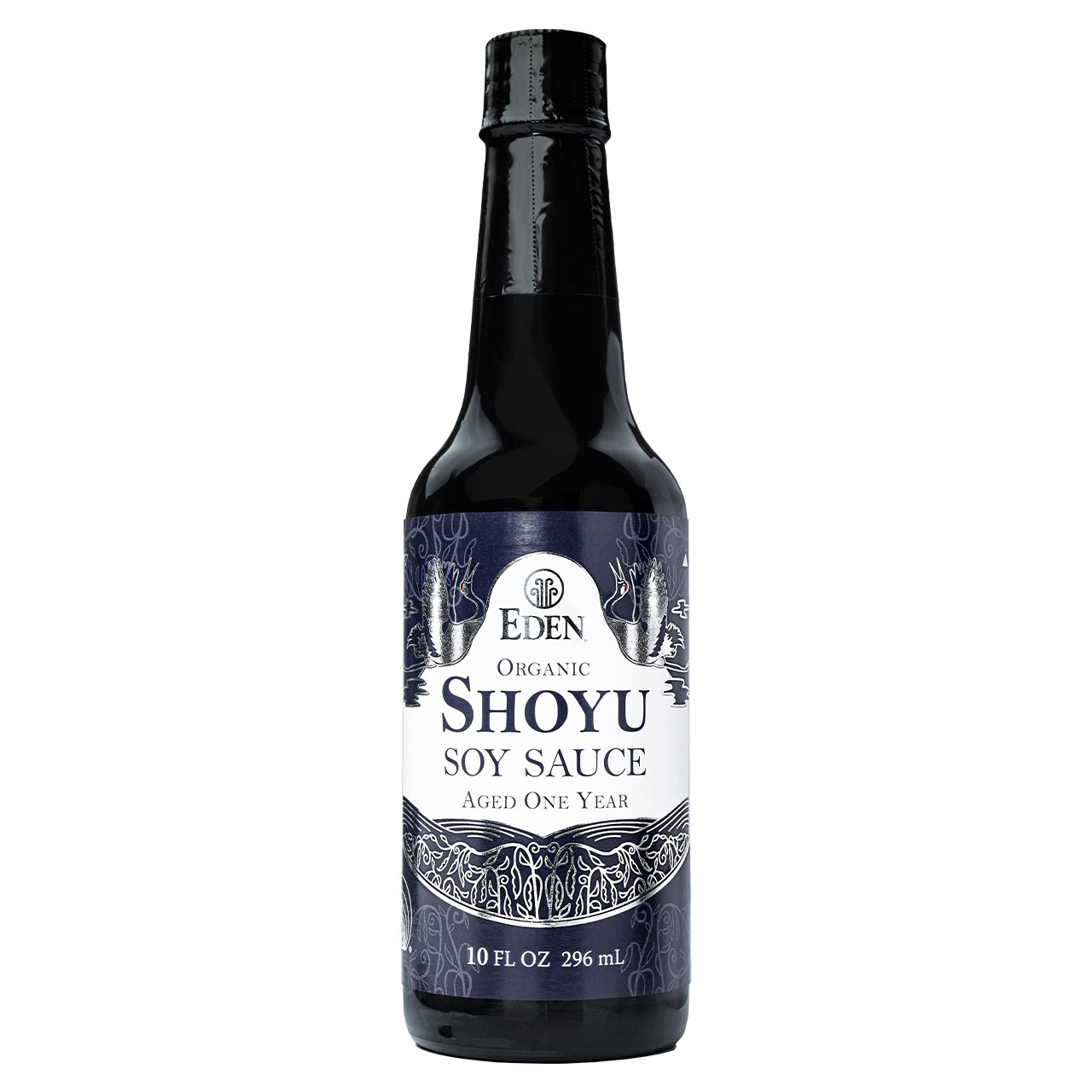
Eden Foods are generally great. They conduct extensive third-party testing (OCIA for organic, Non-GMO Project, AIB, BRC) and I've never seen them get a bad score. Their Shoyu is artisan-brewed from whole organic soybeans and wheat, fermented for one year in century-old cypress wood barrels with no chemical additives.
Soy sauce production faces risks from heavy metals in soybeans (lead, arsenic, cadmium), mycotoxins during fermentation, and additives like caramel coloring or preservatives. Non-organic and genetically engineered soy sources may carry glyphosate residues. Container materials also matter — traditional shoyu like this uses proper fermentation vessels, but cheap chemical hydrolyzed soy sauces are often worse.

This is my preferred broth brand. Fond conducts testing and packages in glass jars. Their products are organic, non-GMO, and Whole30 Approved. The "verified regenerative" sourcing claim adds transparency about their supply chain practices.
Broths made from animal bones can concentrate heavy metals (especially lead, cadmium) that accumulate over the animals' lifetimes. The quality of feed, water, and environment directly impacts contaminant levels. Glass packaging helps avoid plastics or lined cans, but metal lids still need to be non-reactive. Sodium content can also be high in commercial broths.

This is the best bang for your buck as far as I can tell. I don't love that it's plastic (ABS I believe). But it has among the best filtration results for all portable filters — it removes viruses, bacteria, protozoa, particulates, chemicals, and heavy metals. One press takes 8 seconds and purifies 24 oz.
Portable water filters are a compromise. They're generally made of plastic which can leach chemicals, especially over time and with heat exposure. The Grayl uses ABS plastic which is relatively stable, but isn't as inert as glass or stainless steel. For travel situations where you can't control your water source, the filtration benefits significantly outweigh the plastic exposure risks. Just don't leave it in a hot car or expose it to extreme heat.
Unscented styling gel and spiking gel made with clean ingredients. Fragrance-free formulation avoids synthetic fragrances and endocrine-disrupting chemicals commonly found in conventional hair products. Good option for those sensitive to fragrances or looking to minimize chemical exposure.
As with any personal care product, individual sensitivity may vary. Limited independent third-party testing data available.
Organic and unbleached, milled from organic hard red wheat. Good baseline for reducing pesticide residues and avoiding bleaching agents. Costco's scale provides supply-chain standardization.
No public lot-specific COA for mycotoxins/heavy metals. Wheat can contain deoxynivalenol (DON/vomitoxin) from Fusarium. Organic ≠ contaminant-free (drift, storage treatments still possible). Cadmium possible from soil.

Glass is inert relative to plastic for long storage. Glass is lead free and tested annually for heavy metals. Adheres to European/French standards.
Gasket material and care/aging is the main 'contact surface' variable.
Avoids common cookware chemical concerns: no nonstick coatings (PTFE) or PFAS 'forever chemicals'. 5-ply stainless clad construction - durable, no coating to chip into food. Clear educational content on stainless compositions (18/10).
Stainless is not perfectly inert. Nickel and chromium can leach in measurable amounts under some conditions, especially with acidic foods and longer cook times. Can matter for nickel-sensitive people. Usually lower risk than degraded nonstick coatings.

This is the only seaweed brand I know of that publishes annual third-party heavy metals testing via ICP-MS, including lead, cadmium, mercury, and inorganic arsenic. The levels aren't non-detect, but they're consistently low and transparently posted. I won't eat any other seaweed.
Seaweeds naturally absorb minerals from seawater, but unfortunately also heavy metals and pollutants. Key risk factors include species, harvesting location (proximity to pollution sources), and processing methods. Without regular testing, you may get products with harmful levels of cadmium, inorganic arsenic, lead, or mercury.

Uses Creapure® (German manufactured, ≥99.9% purity). Screening for known impurities and heavy metals. Good formulation choice - 'boring and pure' is ideal for creatine.
No publicly posted lot-specific COA found. Main risks are manufacturing impurities (dicyandiamide, dihydrotriazine, excess creatinine). Proof would be stronger with accessible COA.
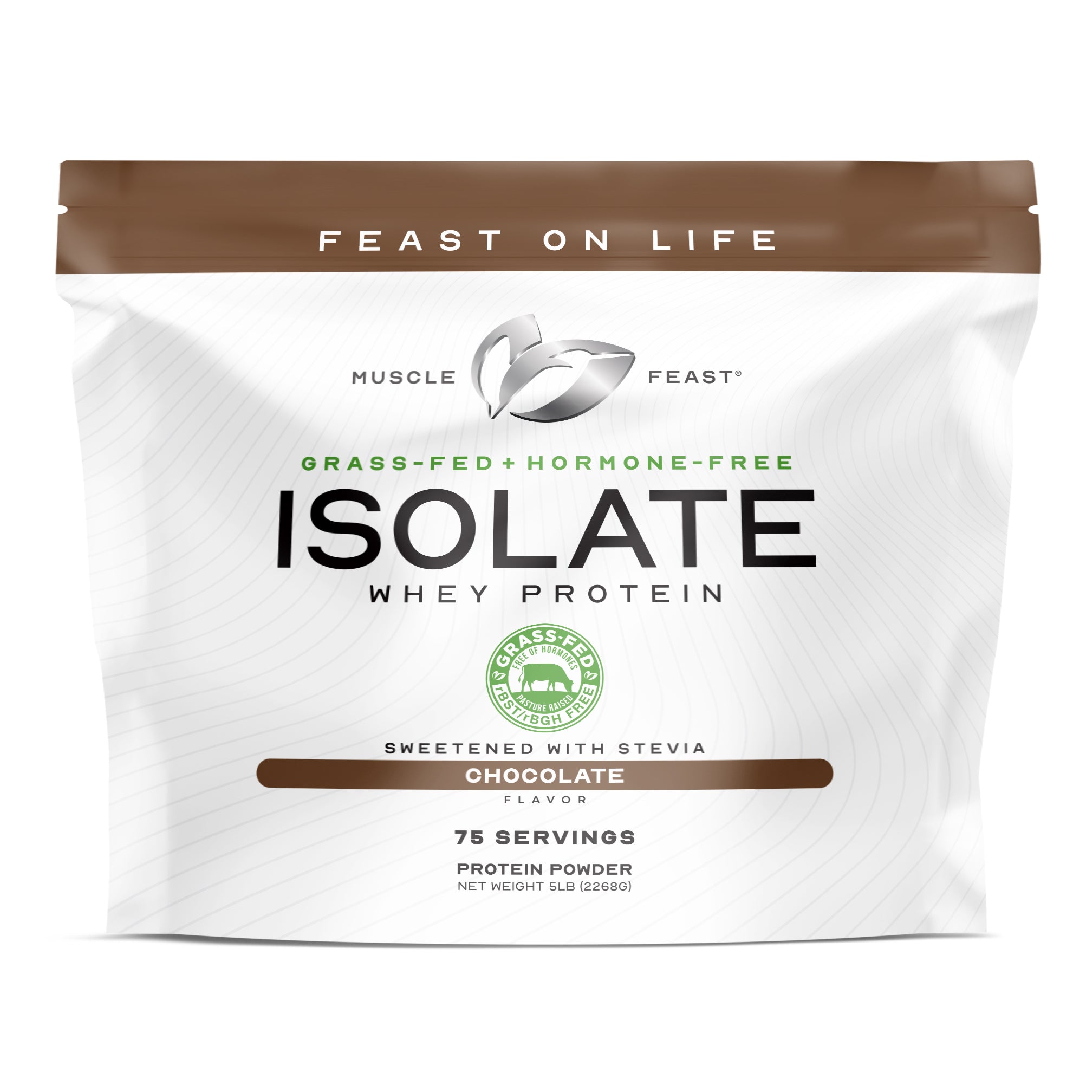
Claims heavy metals testing and points to Labdoor publication of results. Transparency signal for a category repeatedly flagged for heavy metal contamination risk.
FDA issued warning letter (July 2022) citing significant CGMP violations including failures around specifications/identity/purity. Conditional endorse only if third-party results and current compliance are clear. Protein powders are concentrated daily exposure sources.

Strong low-toxin default with USP Verified products. USP verification targets label accuracy and contaminant controls. More USP-verified products than other brands. Easy to find, increasing compliance.
Only endorse SKUs that actually carry the USP Verified mark. Supplements vary wildly in quality - botanicals tend to be higher variability than single-ingredient minerals.

One of the most endorsement-ready brands. Explicit COA request process tied to lot numbers (transparency hallmark). COAs show modern testing stack including USP heavy metals by ICP-MS with specific numeric results. Unusually close to 'proof-grade'.
Botanicals/extracts are susceptible to identity/potency mismatch and contamination if QC is weak. Always verify lot-specific COA.
I only drink this when traveling, as a sort of last resort. I don't love that it comes in aluminum. But it's supposedly well-filtered and they claim the lining is BPA-free. It probably still contains a meaningful amount of BPS, aluminum, and plasticizers. I travel with a filter and run it through that before drinking.
Water is tough. Basically all the options present some sort of hazard. If you can't filter your water and can only control one variable, it would be the age of the building whose pipes you're drinking from. Municipal water run through newer pipes is generally mostly okay (with the exception of fluoride). Basically every bottled and canned option on the market will expose you to something — a recent study found microplastics even from glass bottle lids.
Fluoride-free foam toothpaste for children. Clean ingredient profile without artificial colors, flavors, or harsh chemicals commonly found in conventional toothpastes. Gentle formulation suitable for sensitive mouths.
Limited independent testing data available. As with any personal care product, verify ingredient sourcing.
Refillable aluminum bottles eliminate plastic packaging entirely. Clean, plant-based ingredients without sulfates, parabens, phthalates, or synthetic fragrances. B Corp certified company focused on sustainability and reducing plastic waste.
Premium pricing compared to conventional shampoos. As with any personal care product, individual sensitivity to ingredients may vary.
This is a big solve, given the challenge with flours. You can add this organic vital wheat gluten to your Kirkland All-Purpose Flour to boost protein/gluten content and effectively turn it into bread flour. USDA organic certified, contains only organic wheat gluten with no additives, milled in the USA.
Flours can accumulate heavy metals (lead, cadmium, arsenic) from soil and irrigation water, especially in industrial farming areas. Cross-contamination with non-organic crops is possible. Storage conditions matter — flours stored in humid or hot environments can degrade, attract pests, or facilitate mold growth. For those with celiac disease or gluten sensitivity, even organic vital wheat gluten poses obvious risks.
NSF-GMP registered in the U.S. with public NSF listing. Tests for contaminants including heavy metals, solvents, pesticides (herbal), and dioxins/PCBs (fish oils). Good third-party manufacturing-quality signals.
Programmatic testing - product/lot specifics still matter. Same overarching supplement risks (heavy metals/adulteration/label mismatch).
I don't really eat sardines, but when I do, I strongly prefer this brand because of their per-batch publicly posted mercury testing. Safe Catch tests every single fish to strict limits (~0.1 ppm) — roughly 10× lower than FDA action levels. The National Advertising Division of the BBB has reviewed and supported their mercury-testing claims. The aluminum packaging is less than ideal.
As a general rule, I don't typically eat anything from the sea because of significant mercury and microplastics levels. Even smaller fish like sardines carry some risk. Packaging materials also matter — aluminum or tin cans may have linings that contain BPA or similar compounds, though Safe Catch claims their packaging is BPA-NI (no intentional BPA).

This is the only brand of spices I buy. In Consumer Reports' comprehensive 2021 test of 126 herb and spice products for heavy metals (arsenic, lead, cadmium), Simply Organic consistently performed among the best — several items fell into the "no concern" category, including basil and ginger. Their glass bottles are a nice bonus for storage and avoiding plastic contact.
Spices are a big category, but heavy metals are typically the biggest risk — many brands and products test high for lead, arsenic, and cadmium. These contaminants come from soil, irrigation water, or drying/powdering processes. Even organic certification doesn't guarantee low heavy metals, as USDA organic standards don't require heavy metals testing in soil or crops. Frequent use in small amounts still adds up across your diet.

This is the ONLY tea I've been able to find that tests non-detect on heavy metals. Tea plants typically bioaccumulate heavy metals from soil and water, making this finding extremely rare. This is the only tea I'll drink.
Tea leaves often accumulate heavy metals like lead, cadmium, arsenic, and also environmental pesticides. Post-harvest processing (smoke, storage) can introduce additional contaminants. Testing batches or choosing brands with published testing is essential for regular tea drinkers.

Widely used in 'minimize contamination risk' stacks. NSF Certified for Sport involves testing for no unsafe contaminant levels, label accuracy, and ongoing lot testing for hundreds of banned substances.
Only endorse NSF Certified for Sport SKUs, not entire brand indiscriminately. Doesn't automatically prove 'zero toxins' but is one of the best widely available third-party frameworks.

Pasture-raised/grass-fed standards. No antibiotics or hormones (backed by supplier affidavits). Strong traceability emphasis. Certified B Corp for transparency/accountability.
No routine third-party contaminant panels (PFAS, heavy metals) on the meat itself. PFAS can show up when animals are raised near contaminated water/soil. Good 'cleaner-meat standards' but not 'lab-verified low-toxin' yet.
Perhaps surprisingly given Whole Foods' usual track record, this is one of the better chocolates on the market in terms of toxin exposure. In Consumer Reports' testing of dark chocolate products for heavy metals, 365 Semi-Sweet Chocolate Chips showed relatively lower lead and cadmium levels compared to most dark chocolate products — making it one of the only two chocolates I'll eat.
Chocolate is really tough — it's usually very high in heavy metals. Cacao plants absorb cadmium from soil and lead accumulates during post-harvest processing (fermentation, drying, roasting). Region of origin matters significantly: soils in certain areas (West Africa, parts of Latin America) have higher heavy metal content. Counterintuitively, organic chocolate sometimes shows higher heavy metal levels in studies. Higher cocoa percentage means more solids and potentially higher contamination. Even at low levels, trace cadmium and lead exposure is cumulative.